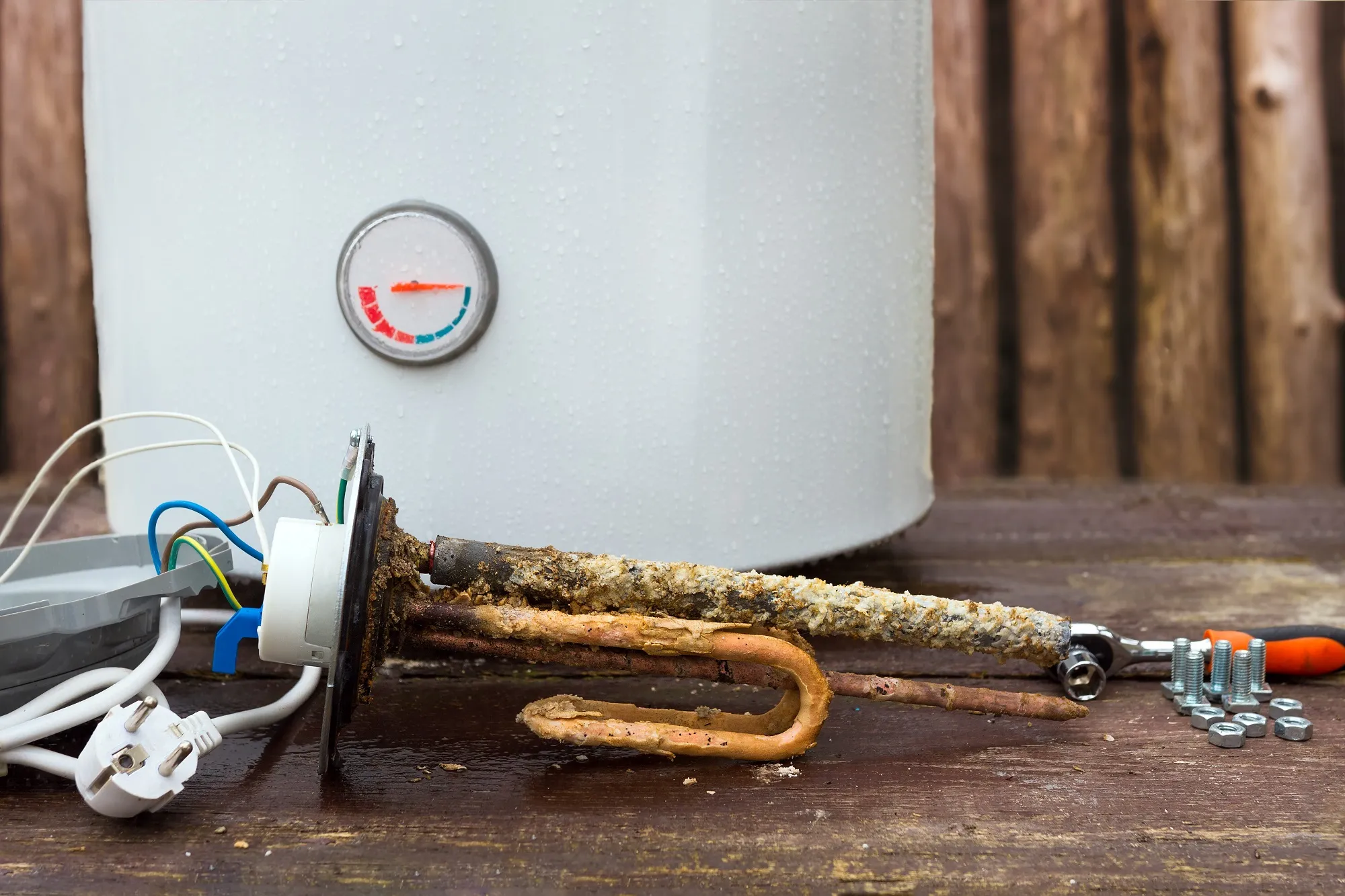
Alliston is really three towns wearing one name, and each one breaks differently. The adult-lifestyle streets around Briar Hill and Green Briar went up in tight construction windows, so the water heaters, the sump pumps and the builder-grade cartridges reach the end of their lives on the same schedule. When we get one call on a crescent there we usually get three more within the year.
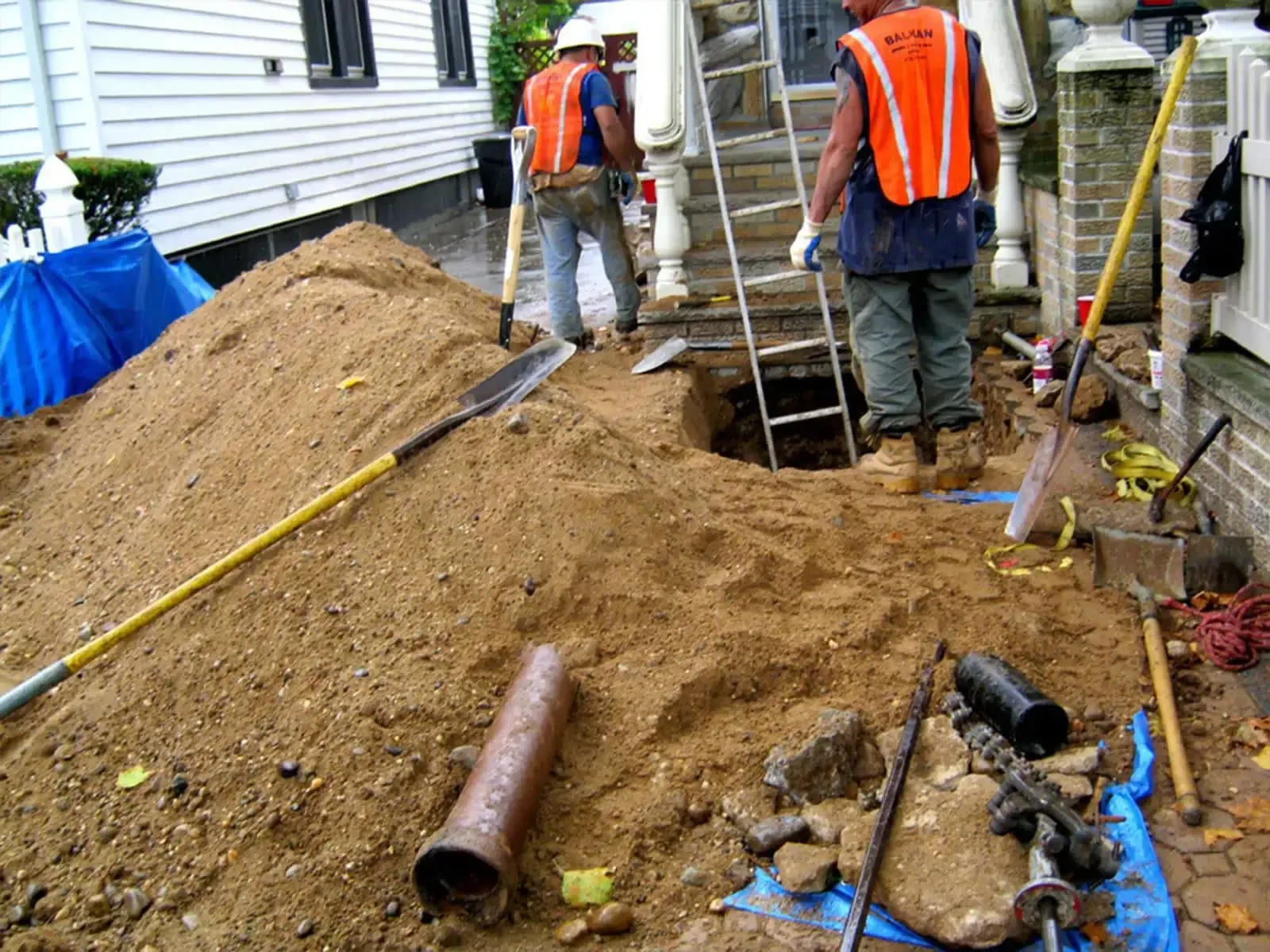
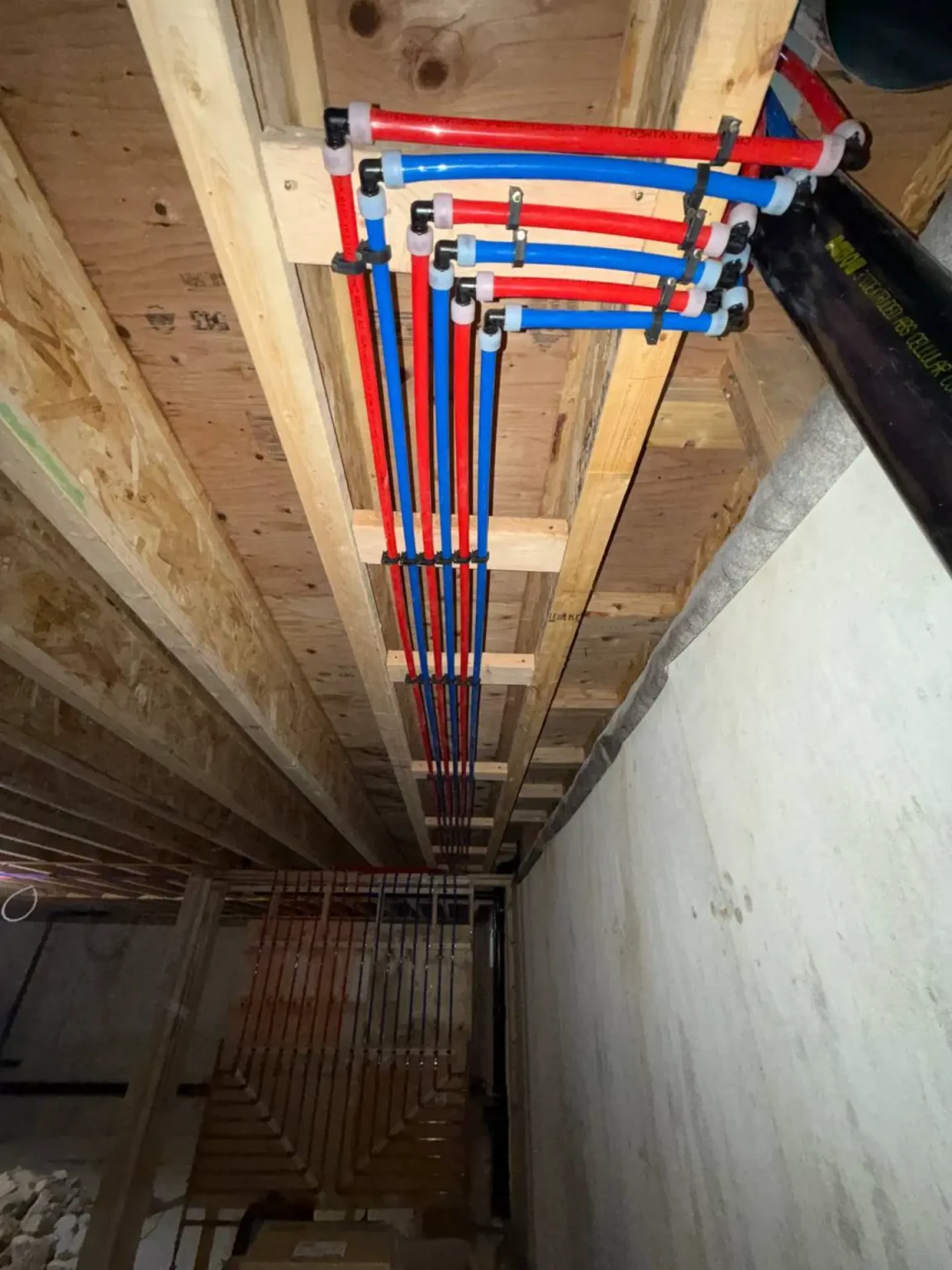
The older core near Victoria Street is a different animal. Brick homes from the early 1900s with cast iron stacks, galvanized supply that has rusted itself half shut, and additions plumbed by whoever owned the place in 1974. Those are slower jobs and we quote them honestly, because on a house like that a full repipe is rarely the right first move.
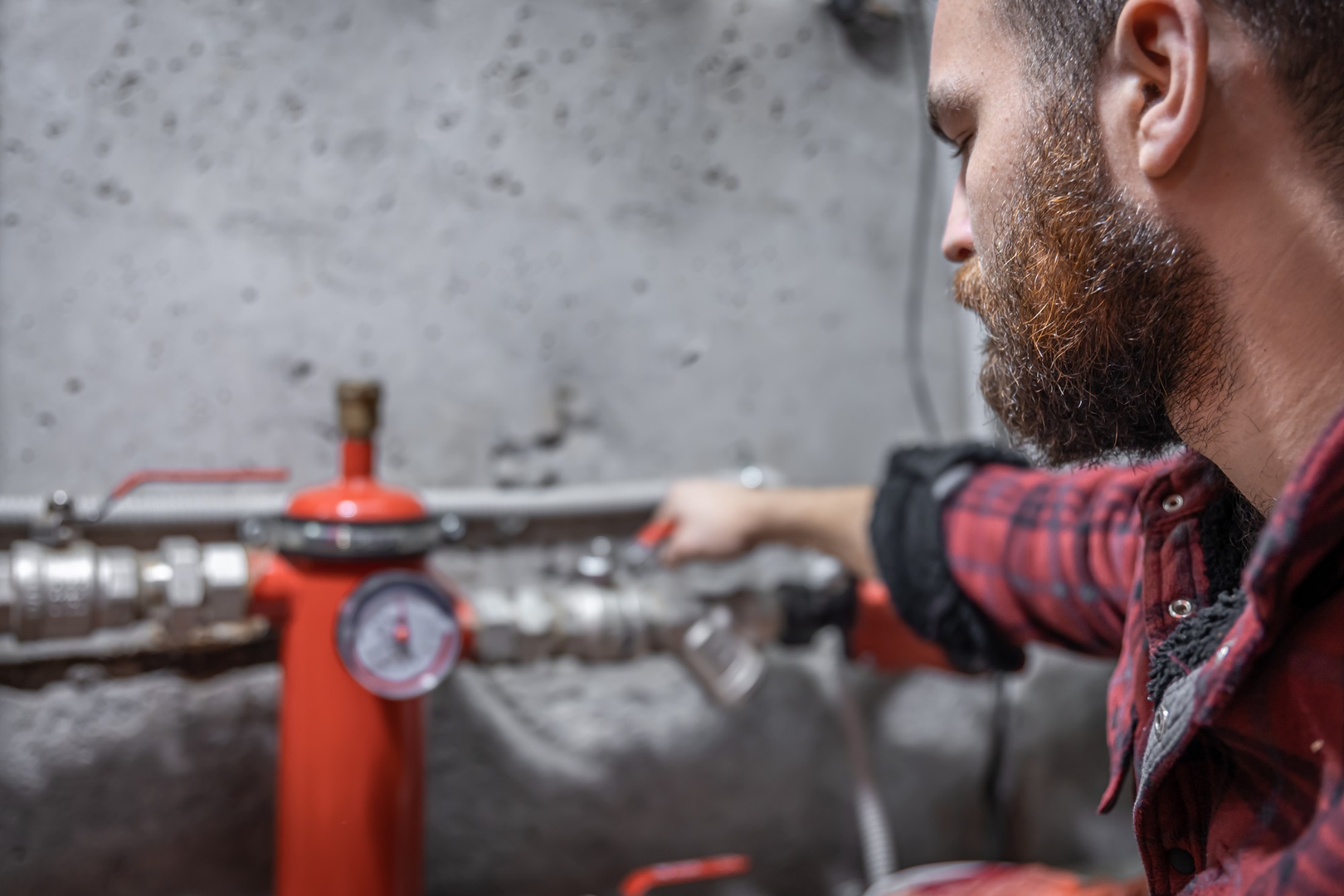
Then there is everything past the town line. Wells, pressure tanks, iron filters and septic connections out toward Beeton, Everett and the Nicolston side. Rural systems fail in ways a municipal house never sees, and a lot of those failures get blamed on the wrong component, so we test before we replace anything.
A practical note about scheduling. A large share of Alliston works rotating shifts, and a plumber who only offers a nine-to-noon window is useless to someone who got home at seven that morning. We run from 6 AM to 9 PM seven days a week and we will take the early slot or the evening one if that is what fits your week. Tell us your shift when you call and we will work around it rather than making you burn a day off.
If you are on a well, the single most useful thing you can do before calling anyone is run a tap and tell us what you notice. Pressure that cycles, water that comes back rusty after a few minutes, a pump you can hear kicking on when nothing is running. Those three symptoms point at three completely different parts, and describing them properly usually saves an hour of diagnosis on our side and money on yours.